Respectful communication
We must be able to disagree on professional matters, set standards and challenge one another, whilst speaking respectfully to and about one another.
1. Ask before drawing conclusions
For example, say: “I’m not sure how you meant that, but it actually came across as a little harsh to me.”
2. Focus on the specific situation
Describe what was said or what happened rather than attributing particular motives or characteristics to the other person.
3. Put things right quickly if something comes across badly
A simple acknowledgement may be enough: “That wasn’t how I meant it, but I can see that it didn’t come across well to you.”
4. Speak up as a colleague too
Give the floor back to a colleague who is being interrupted, or ask them afterwards how they experienced the situation.
5. Seek help if you do not feel able to have the conversation yourself
As a general rule, speak to your immediate manager. If that feels too difficult, you can seek support and advice from your union representative (TR) or occupational health and safety representative (AMR).
Starting point in the workplace assessment (APV)
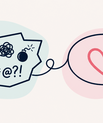
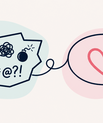
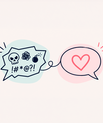
Health’s workplace assessment (APV) from 2025 shows that 12 per cent of staff have experienced rude, offensive or condescending language within the past year.
The faculty is therefore prioritising a respectful tone of communication.

Workshops
As part of this initiative, Health runs workshops in research groups, departments and units. Here, staff work through situations from their own everyday lives and are given practical tools to, amongst other things:
- deal with situations where the tone becomes harsh
- express agreement or disagreement in a constructive manner
- manage the gap between intention and perception
- respond as a colleague or manager when they encounter an inappropriate tone.
