My 2025: part one
What were the highlights of the working year 2025, and how will we remember the year that has passed? Inside Health spoke with a number of employees in very different roles about just that.

In the first article in the series ‘My 2025’, Anne Cathrine Sønderstgaard Thorup, Rasmus Ø. Nielsen, Thomas Corydon and Charlotte Uggerhøj Andersen share their biggest experiences and challenges from a working year marked by new units, research breakthroughs, and a focus on sustainability and young people’s health.
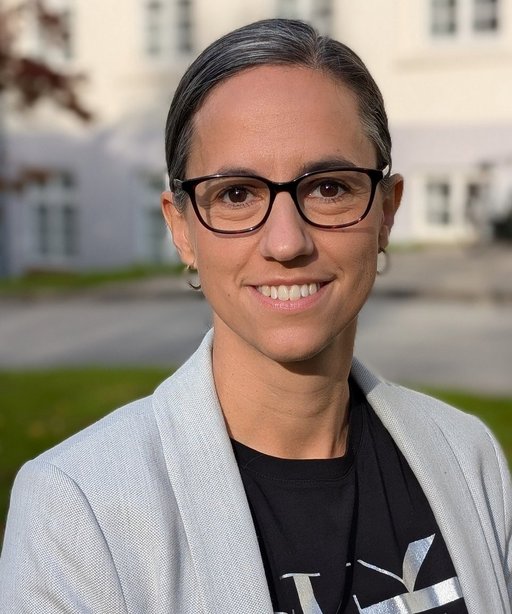
Anne Cathrine Sønderstgaard Thorup
Division Manager, Health Research Support
Health Research Support got going in 2025 – what have been the key experiences or milestones for you this year?
2025 was our first full year of operation as an independent unit – a year where we had to both build a new organisation and ensure continuity in research support. It was crucial that the transition from AU’s research support unit was experienced as seamless, and that researchers felt the advice was more embedded in their day-to-day work.
What types of enquiries have dominated over the year?
We’ve seen a clear increase in enquiries about funding strategies. More researchers want long-term plans for their application activities, which gives us the opportunity to support them strategically – not just with individual applications but in developing their overall research portfolio. Our presentations and workshops on topics such as “writing a strong application” and budgeting have also been well attended, showing high demand for both knowledge and sparring.
At the beginning of 2025, you were still recruiting and shaping the unit – where do things stand now?
We now have a well-functioning team of five advisers with extensive experience from both national and international funding bodies. Our collaboration with AU’s research support unit and other support services means researchers encounter more integrated support – from idea to grant. That has been essential for getting the organisation up and running.
What else has been most significant for you in the 2025 work year, and what are you particularly looking forward to in 2026?
I’m especially proud that we’ve established a solid foundation and good collaborations with the departments. In 2026, I’ll focus on further developing our strategic advice and strengthening collaboration across the faculty so we can create even greater value for Health’s researchers.
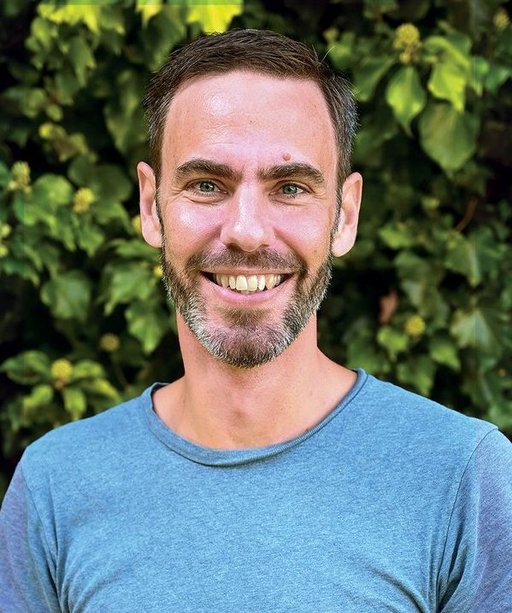
Rasmus Ø. Nielsen
Associate Professor, Department of Public Health
In 2025, you published your ‘Garmin-Runsafe Running Health Study’, which challenged many assumptions about running injuries. How was the reception?
It was a big moment to present results we’ve worked towards for more than 15 years. The study received widespread coverage in both Danish and international media, and with help from Health’s communications department, we succeeded in reaching a very broad audience. It confirms that we’ve hit on a topic that is both socially relevant and of interest to many.
What kind of feedback have you received from runners, colleagues, and the tech industry?
The response has been very positive. Many recognise that injuries can also occur from running too far in a single session – not just from gradual overload. At the same time, we’re aware that we’ve only laid the first pieces of the puzzle. We have a clear roadmap for the next projects, and now the task is to secure funding to intensify the research.
What else has taken up most of your time in 2025?
Teaching has been a major focus – in a good way. I really value the time spent with students, both in teaching and supervision. If I can help nurture their academic curiosity, integrity and critical eye on scientific literature, I believe it equips them better in a world shaped by fake news.
Looking back on the year, what stands out as a highlight – and what are you looking forward to in 2026?
One highlight was that my former Master’s student Jesper Frandsen was named Health’s Student of the Year. Another was when Solvej Videbæk Bueno completed her PhD with great success.
In 2026, I look forward to continuing both the research and teaching – and to the daily life shared with great colleagues and engaged students at AU.

Thomas Corydon
Professor, Department of Biomedicine
This year, you led the LEAF pilot project at Health. How has the effort to make laboratories more sustainable gone?
The LEAF pilot project has gone really well. We tested the LEAF portal and conducted audits of five laboratories at Health – all of which achieved bronze level. That means they meet a number of criteria for more sustainable lab operations and are also the first labs at AU to receive LEAF medals. It shows both commitment and that LEAF can bring environments together around a shared effort.
What’s next now that the pilot is complete?
Our experiences have been passed on to university leadership via the faculty management, who will decide whether and how LEAF might be implemented at AU. An important next step in our sustainability work will be selecting a portal and allocating resources to support it in practice.
We’re very proud that the pilot has laid a solid foundation for decision-making.
What else has been a major focus for you in 2025?
One of our central research projects aims to develop a new gene therapy for age-related macular degeneration (AMD). In an animal model, we’ve just shown that the treatment we’re working on appears both safe and effective. It’s an important step forward towards a new treatment option and a research project we’re deeply engaged in.
Looking back at 2025, what was the highlight of the year – and what are you looking forward to in 2026?
The opening of the newly renovated Bartholin Building was a major highlight. It’s been exciting to follow and influence the process, and I enjoy the balance between old and new in the building, where I have both office and lab. In 2026, I’m especially looking forward to the next phase of the AMD project, where we’ll validate our findings in human retinal tissue.
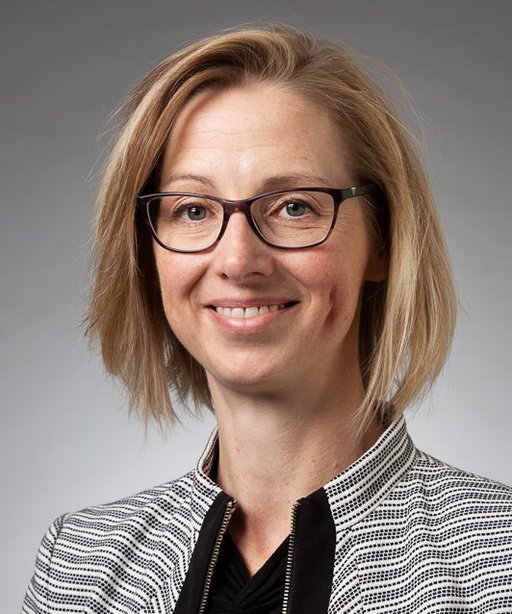
Charlotte Uggerhøj Andersen
Consultant and Clinical Associate Professor, Department of Forensic Medicine
In 2025, you took part in a debate on young people and opioids at the People’s Meeting. What was it like to engage with researchers, relatives, and political decision-makers?
The People’s Meeting made it very clear how many professions and individuals are involved in this issue – from clinicians and researchers to families and politicians. It’s complex to find solutions because it requires knowledge from psychology, education, health sciences, and social sciences. Seeing how severely young people can be affected makes a big impression and underlines the importance of contributing our expertise.
What do you see as the most important new insights in the field of drugs and opioids this year?
We’re seeing clearer signs of increased tramadol and oxycodone use among young people. Data from the Poisons Information Centre indicate more calls concerning oxycodone, and our own data on drug-related deaths in 2022 show that these substances are more often found in younger individuals. It confirms that the trend we’ve heard about is now also visible in more traditional research data.
There has also been political action: funding for a national competence centre for withdrawal treatment, a new information page on young people and opioids from the Danish Health Authority, and treatment guidelines for opioid dependence in young people, drawn up by several medical societies.
What has been especially important for you in communicating your results?
We’ve continued working with findings from our study on fatal poisonings with heroin and methadone and actively used them in communication with the media and other stakeholders. A significant part of the work is being in dialogue with journalists, students, and pupils who want a clear overview of different opioids and their effects.
Looking back on 2025, what was the highlight – and what are you most looking forward to in 2026?
We’ve worked on several projects, including a national review of suspected drugging cases and a clinical study on nitrous oxide detection in drivers, in collaboration with the police. I look forward to bringing the final results to light.
However, the biggest highlight has been identifying a biomarker for ingestion of gamma-hydroxybutyrate (GHB/fantasy), which seems to extend the time window during which the substance can be detected. This could have major implications in, for example, rape cases, and I’m very much looking forward to continuing work on this project in 2026 with the many colleagues involved.