Health establishes new global health collaboration with universities in Rwanda
A new five-year collaboration with three Rwandan universities will strengthen the faculty’s research, education and innovation in global health. The partnership will be based around a joint hub in Kigali and will create new opportunities for researchers, teachers and students at Health.

The faculty is now entering into a new strategic collaboration with the University of Rwanda, the University of Global Health Equity and the Institut d'Enseignement Supérieur de Ruhengeri. The agreement establishes a shared platform for research, education and innovation across continents.
A new hub in Kigali will serve as the base for coordination, project development and day-to-day activities, and will be the entry point for students, teachers and researchers who wish to become part of the collaboration.
The partnership includes a broad catalogue of activities that will now be developed jointly between Health and the three universities in Rwanda. These include, for example:
- developing joint research projects within areas such as infectious diseases, non-communicable diseases and the organisation of health systems
- PhD collaborations with supervision and mobility between the institutions
- exchange of both students and teachers
- teaching and training programmes anchored locally at each of the universities
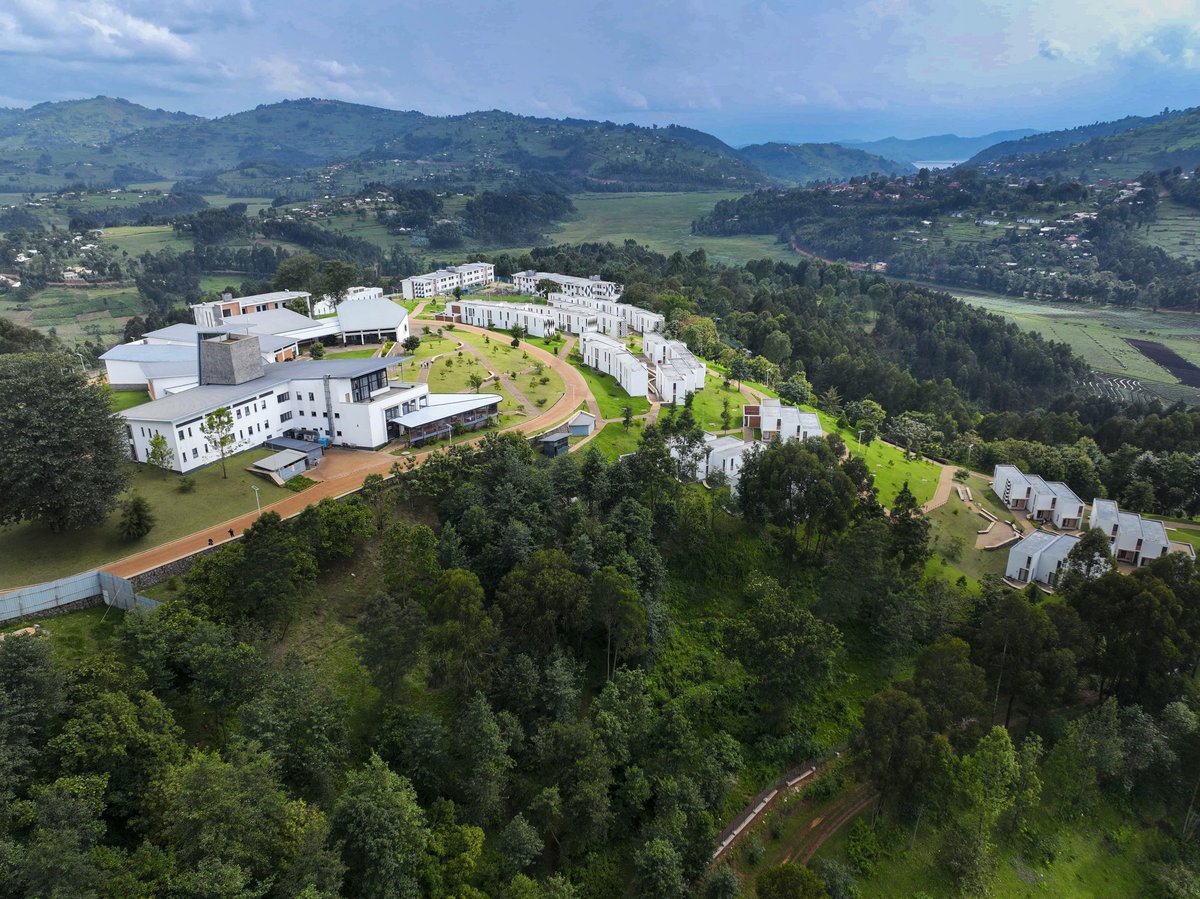
Sharing knowledge across continents
“We want to strengthen our engagement in global health and give Health students and researchers opportunities to be part of this. We have chosen to concentrate our strategic collaboration in a single African country to increase the likelihood of building a truly reciprocal, successful partnership — and to engage where our knowledge can make a difference, and where we ourselves can learn something new. The partnership with the universities in Rwanda gives us both,” says Dean Anne-Mette Hvas, who is enthusiastic about the new opportunities the collaboration will bring.
She emphasises that the partnership will only truly create value once the academic environments make active use of it:
“Now we are establishing a framework, and I hope that our students, researchers and teachers with an interest in global health will engage in new and exciting projects and ideas — and of course I also hope that our interdisciplinary research networks will see opportunities here.”
In line with Denmark’s Africa strategy
Health’s strategic partnership in Rwanda is also an example of the kind of long-term, equitable collaborations that the Danish government promotes in its new Africa strategy — ‘Africa’s Century’. The strategy highlights, among other things, the need for stronger institutional partnerships, increased knowledge exchange and closer collaboration between Danish and African universities.
“I am pleased that, through the partnership in Rwanda, we can contribute concretely to the direction Denmark has set for its engagement in Africa. I am confident that, as a university, we can play an important role in building exactly the kind of long-term relationships the government is calling for,” says Anne-Mette Hvas.
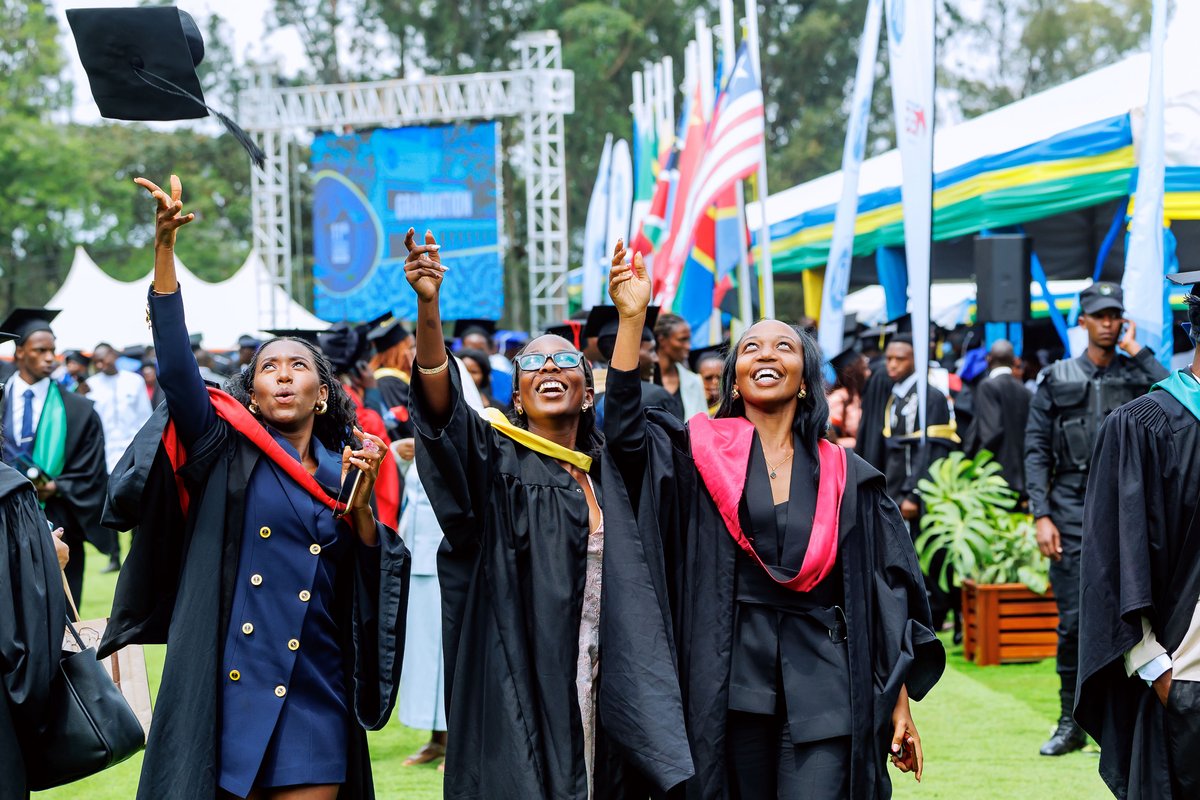
Experienced capacity at the heart of the partnership
Professor Per Kallestrup, who will lead the hub in Kigali, has worked with research colleagues in Rwanda for more than 10 years and is looking forward to taking the partnership to a new level.
“Over the years, I have, among other things, been responsible for several so-called ‘twin PhDs’ in collaboration with our new partner universities in Rwanda. Through this work, I have seen how our different starting points generate new knowledge and valuable perspectives on innovation and health systems. There is plenty of talent, but also major challenges to solve — and through joint efforts we can achieve significant results. We all learn just as much as we contribute,” says Per Kallestrup.
Expectations are also high at the University of Global Health Equity. Here, Professor Abebe Bekele is looking forward to a more formalised collaboration with Health.
“The partnership brings together Aarhus’ depth of research with the University of Global Health Equity’s context-rooted training. Together, we can develop education, research and innovation for the benefit of all parties,” says Abebe Bekele, Dean and Deputy Vice Chancellor for Academic and Research, responsible for the university’s academic development and research collaborations.
Dr Diane Gashumba, former Minister of Health and now Rwanda’s Ambassador to the Nordic countries, has also followed the development of the collaboration agreement closely and sees strong potential for the coming years.
“Together, we are not only strengthening the ties between Rwanda and Denmark, but also creating a platform for long-term, positive change that will help build both healthier and more resilient societies,” she says.
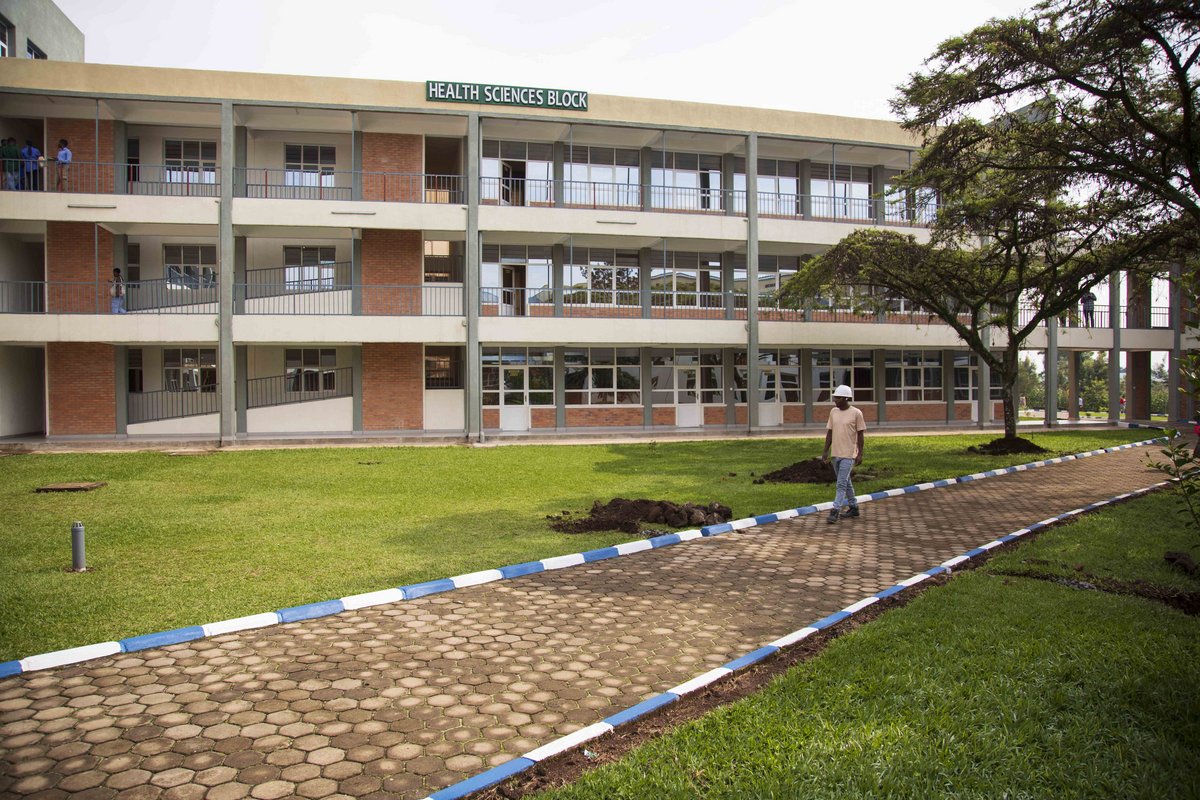
What does the partnership mean for you as a member of staff?
For staff at Health, the partnership provides opportunities to develop new research projects, formulate new research questions and enter into new international collaborations.
It also offers the chance to work in a context where health systems, digitalisation, community health and innovation are being developed under very different conditions than in Denmark.
“The most important thing now is that interested researchers and teachers reach out. We are ready to help establish contact and take the first steps toward a collaborative project. It can only be a good thing,” stresses Anne-Mette Hvas.
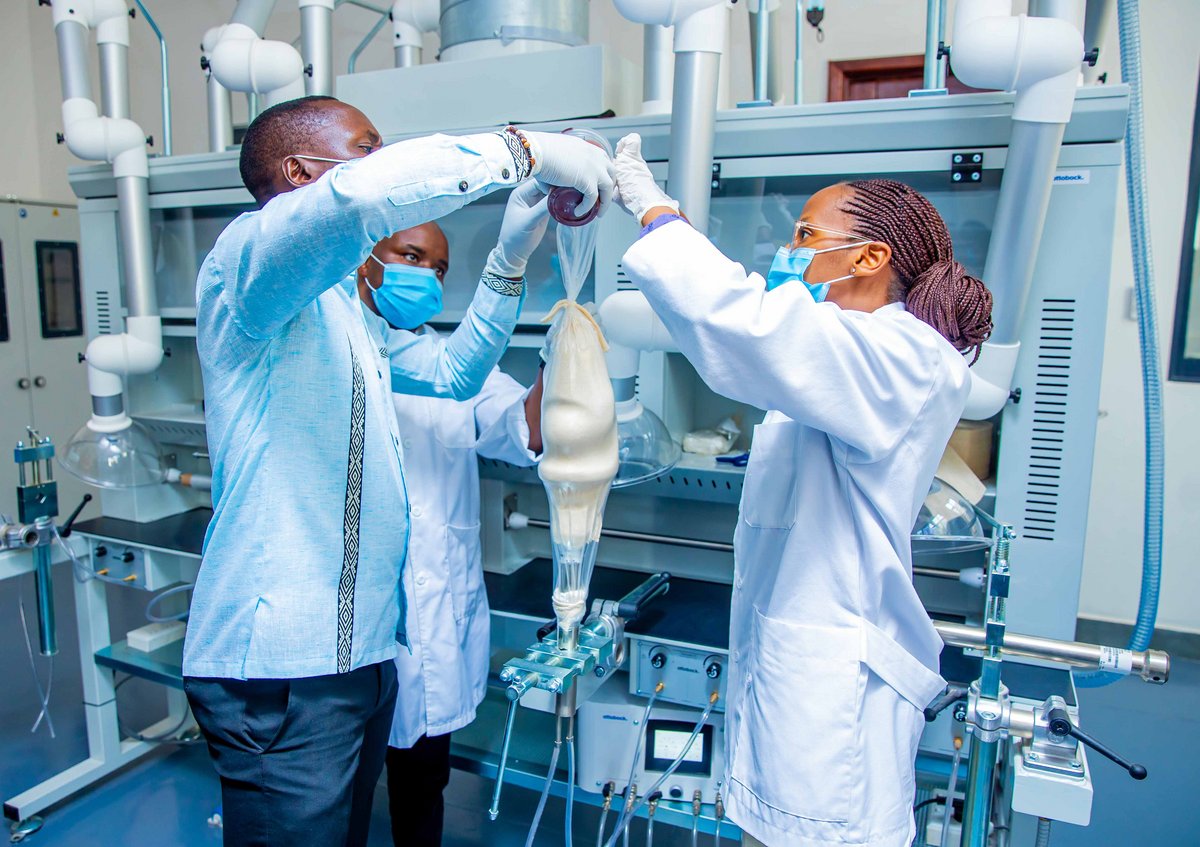
Contact
Advisor Andreas Kambskard
Administration Centre Health – Faculty Secretariat, Health
Phone: +45 93 52 20 88
Email: andreaskambskard@au.dk
Professor Per Kallestrup
Department of Public Health
Phone: +45 22 42 84 84
Email: per.kallestrup@ph.au.dk