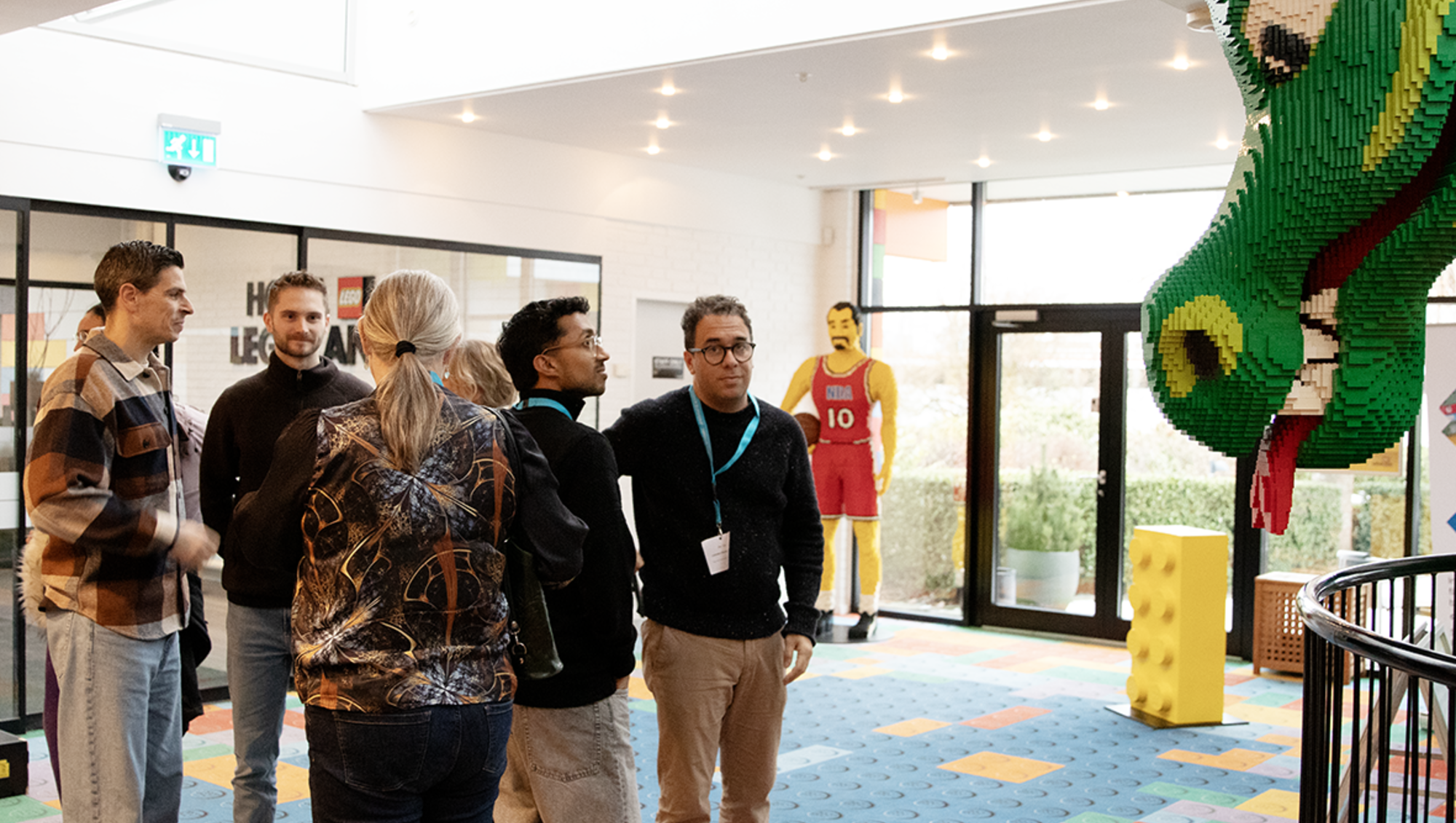
Do you want to talk to Nature editors? Then invite them to LEGOLAND…
Two intense days in Billund gave researchers from the Department of Biomedicine direct access to editors from some of the world’s most influential journals.

The concept
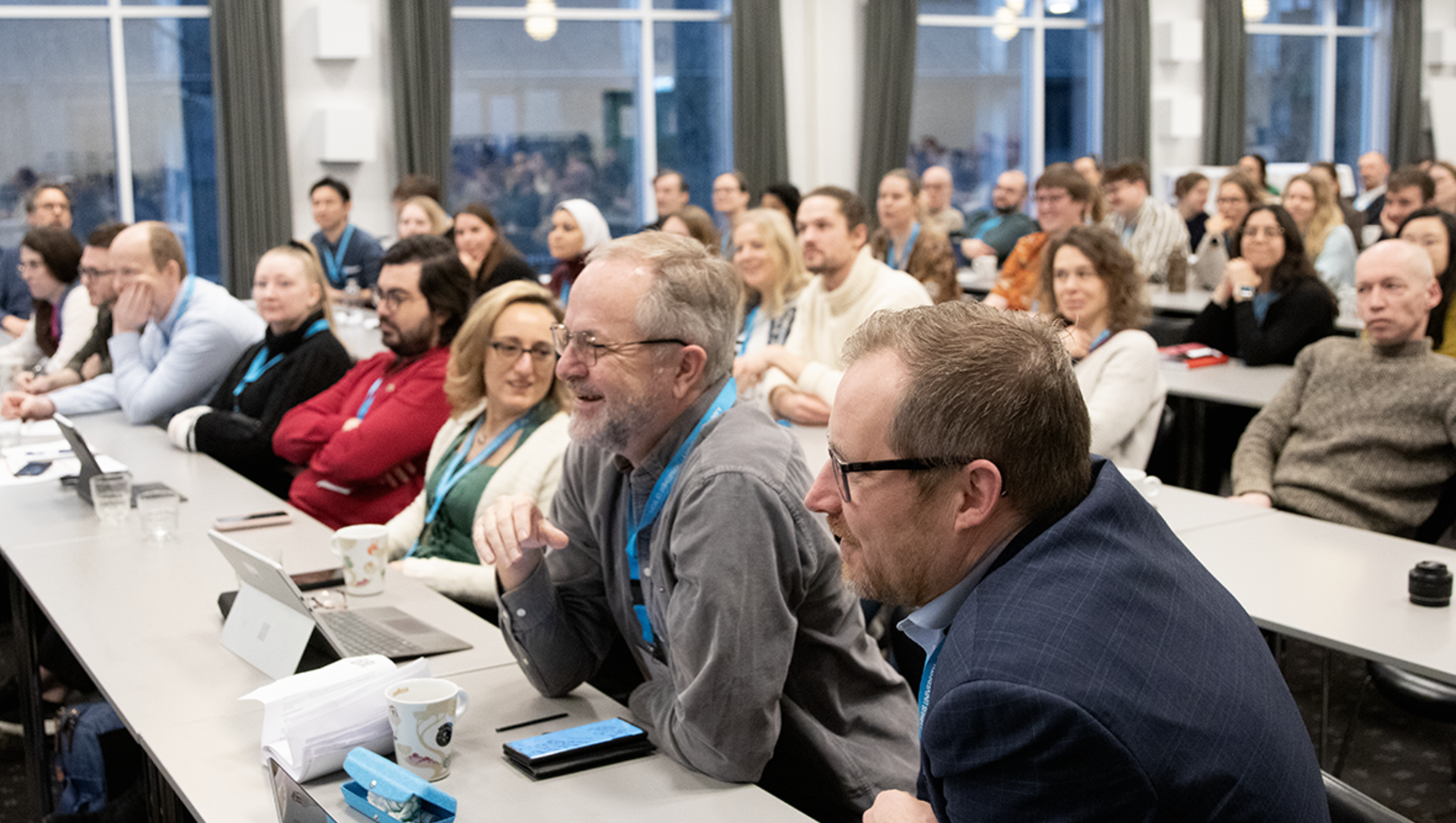
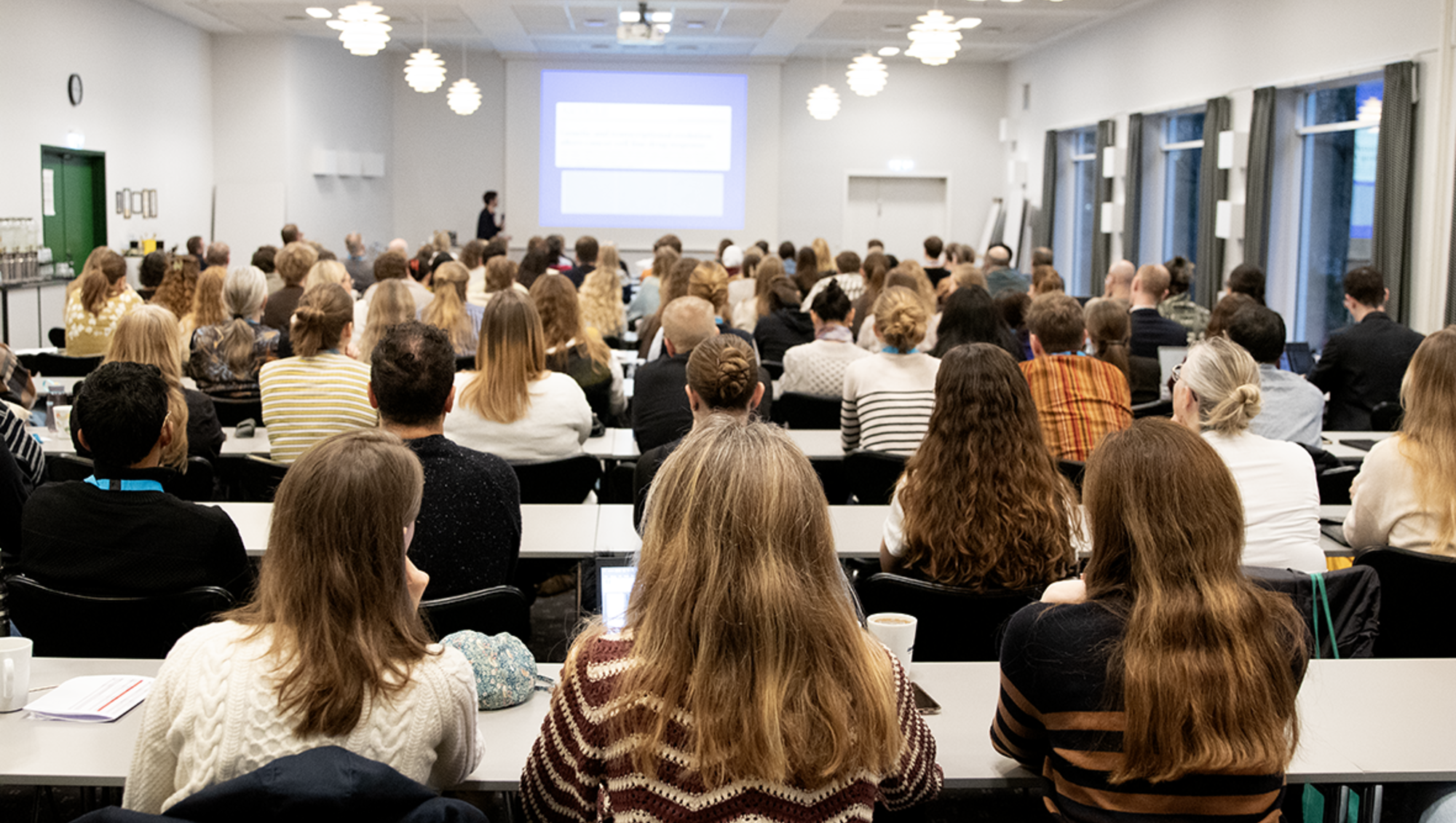
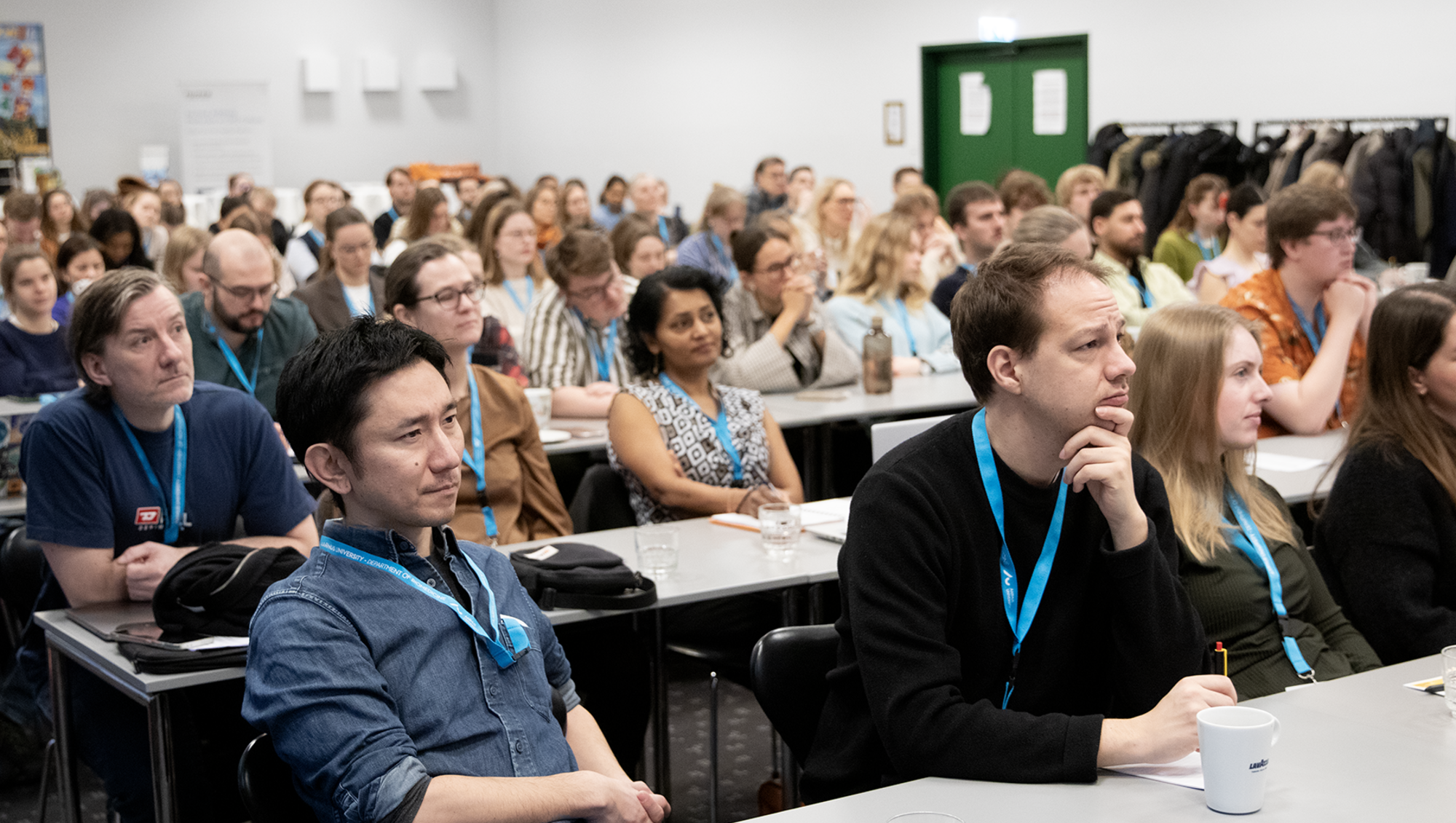
The workshop From Discovery to Publication gathered 150 researchers, postdocs, PhD students, and Master’s students from the Department of Biomedicine – Infection & Inflammation.
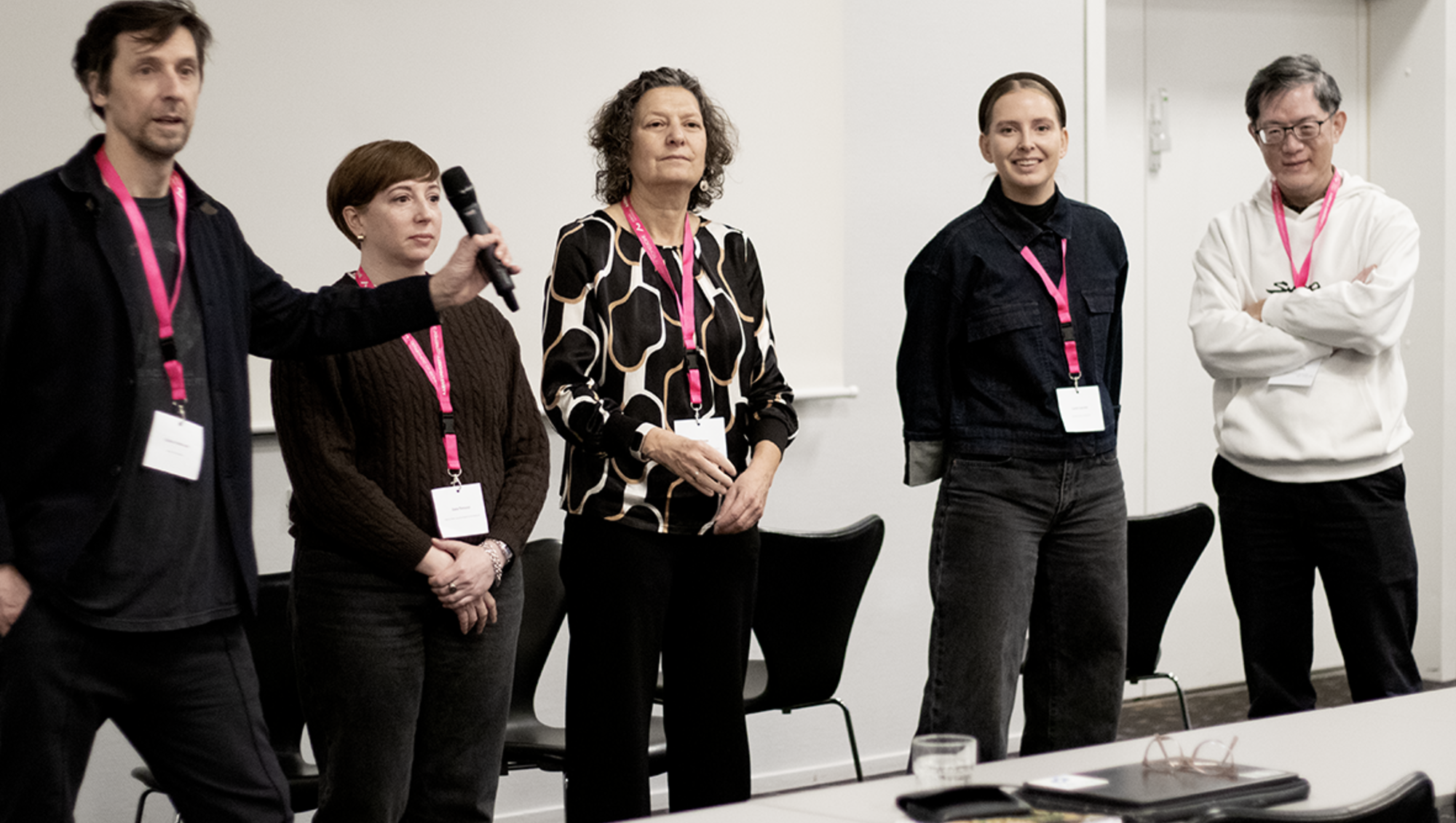
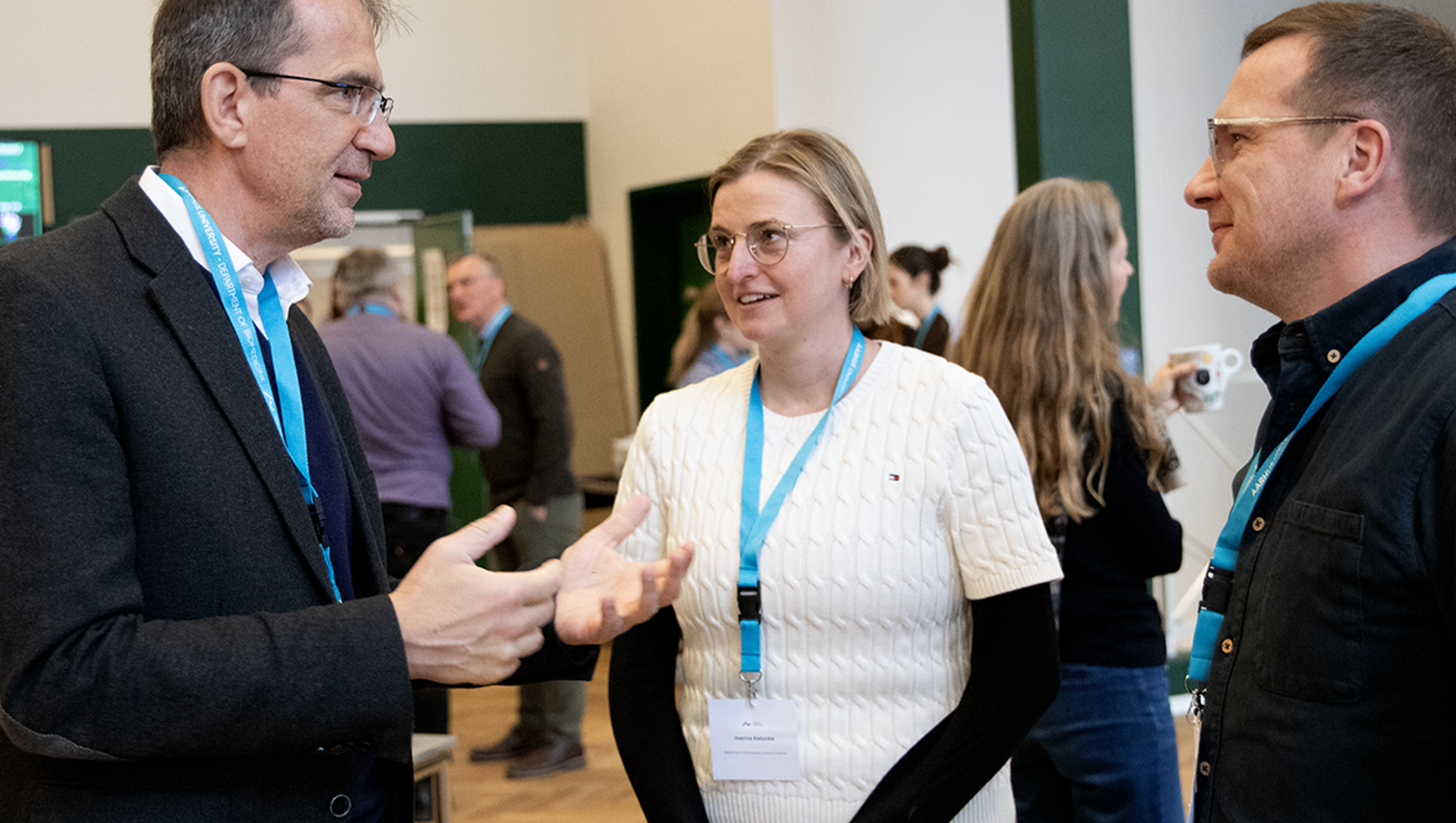
Editors from Nature, Nature Cell Biology, Nature Communications, Journal of Experimental Medicine, Cell Reports, and EMBO participated in pre-scheduled 1:1 meetings with research leaders (one editor and one PI). Two weeks before the conference, researchers had sent extended abstracts to the editors.
At the workshop, researchers received feedback on their unpublished work to optimize it for publication.
Editors visited poster sessions with postdocs and PhD students and served on the judging committee for best poster awards.
Keynote speaker Professor Michael T. Heneka from the University of Luxembourg provided an international framework for the program.
The workshop lasted two days. See the programme here (PDF)
It took Ching-Yu Huang 24 long hours to travel from Taiwan to Billund.
The experienced editor from Nature Communications is now sitting at Hotel LEGOLAND - well rested after a night in a pirate-themed room and a solid breakfast.
The occasion is the workshop From Discovery to Publication, organized by the Infection & Inflammation research theme at the Department of Biomedicine.
Over two days, researchers had a rare opportunity to discuss their unpublished results directly with editors from Nature, Nature Cell Biology, Nature Communications, Journal of Experimental Medicine, Cell Reports, and EMBO.
No one said no
Ching-Yu Huang is glad he accepted the invitation.
“The hospitality is great, and I get to build a network in this part of the world. And I like the researchers here - it’s not always the case,” he laughs.
Incidentally, none of the invited editors declined the invitation. According to several of them, this was due to the timing (January is less busy), the concept (they knew what was expected of them), and the location (even a seasoned senior editor is happy to visit the LEGO universe).
Professor Christian Kanstrup Holm came up with the idea for the workshop. It has turned out just as well as he had hoped.
“We all gain unique insight into the publication process. For younger researchers, it helps demystify the idea of contacting an editor. Editors are just people too - with a huge passion for science,” he says.
95 percent get rejected
Outside, it is dark and cold. Inside, the air hums with research ideas, ambition, and enthusiasm.
Deputy Editor Gaia Trincucci from the Journal of Experimental Medicine flew in from New York to engage more closely with the Nordic research environment.
“Here, there’s time. I’ve had conversations that took a new turn because I noticed something in a graph, and suddenly the researcher was showing me very preliminary data. It’s about building connections,” she says.
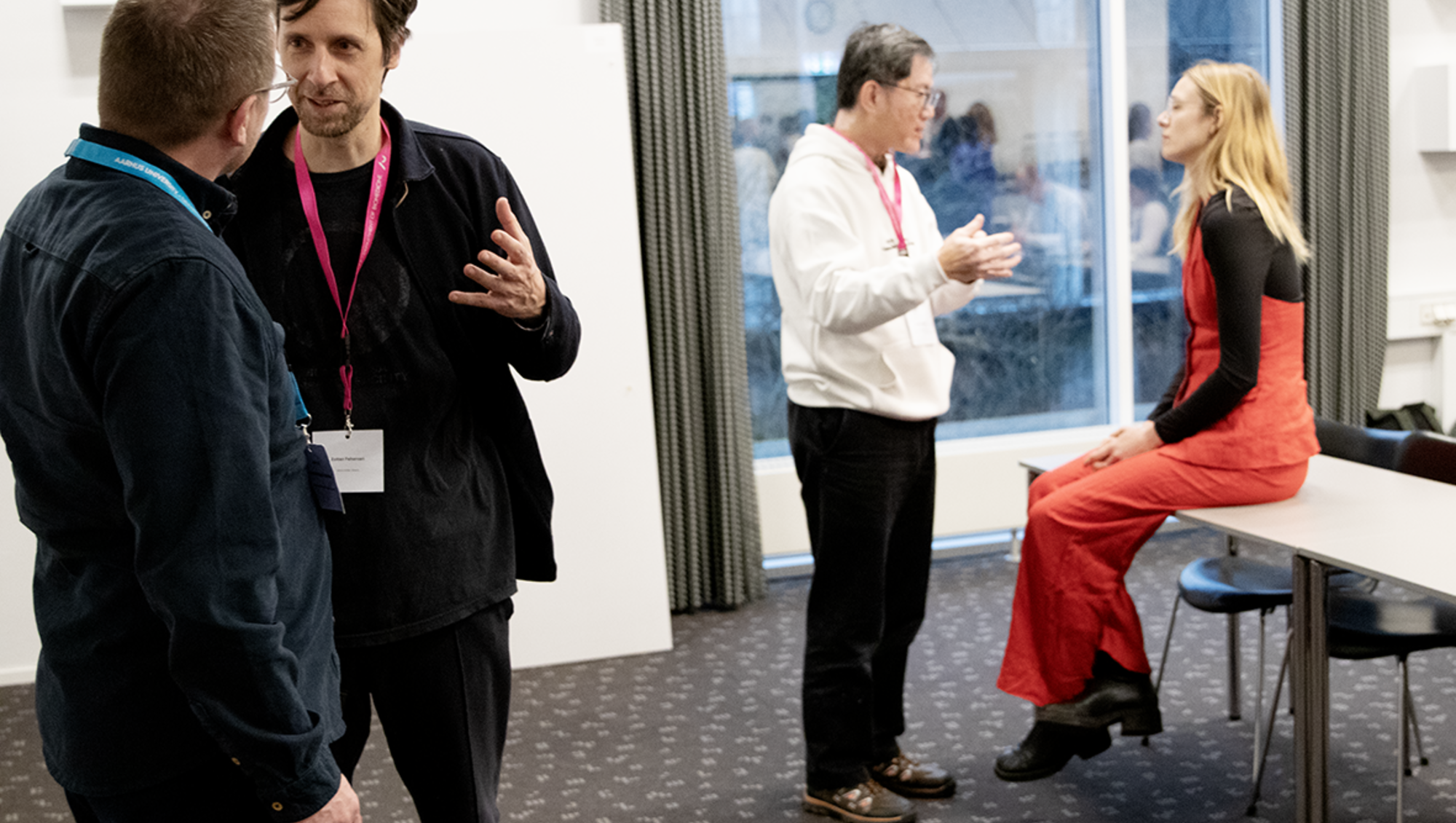
At the core of the workshop were pre-scheduled 1:1 meetings between one editor and one principal investigator. The format allowed for genuine dialogue.
Senior Editor Zoltan Fehervari from Nature does not hide the fact that the bar is high:
“We reject around 95 percent of submitted manuscripts. It’s very hard to impress me - I’ve seen most things and heard the word ‘paradigm shift’ many times,” he says.
“But you have to reach out and talk to us. That’s why we exist.”
Valuable for Both Young and Experienced Researchers
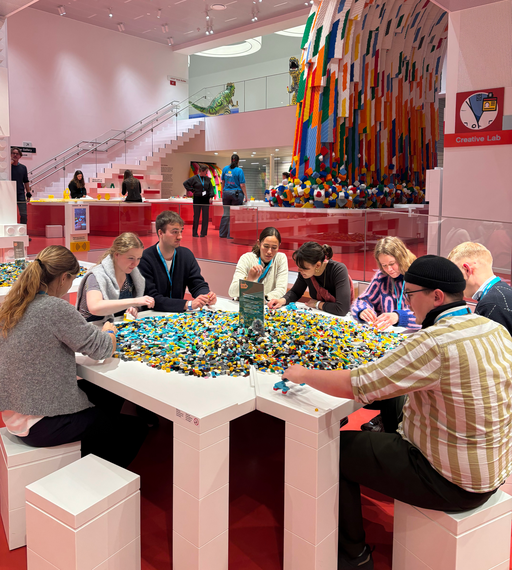
At the workshop, researchers presented unpublished data on topics such as microbial infections, congenital immune defects, and cancer immunology.
Professor Trine Mogensen participated with both her own projects and younger researchers from her group.
“I’m very enthusiastic,” says the experienced professor, who spoke with four editors.
“It was about the potential of our research projects. What do we have? What are we missing? What needs to be strengthened before we submit the manuscript? It was very beneficial for us seniors and for the younger researchers we discussed it with afterward,” she explains, highlighting the editors’ presentations on Friday morning.
Here, the audience heard directly from editors that they are “completely fine with you posting your research on bioRxiv,” along with gaining insight into the publication process and strategies for manuscript preparation.
“I was reminded why we have peer review. When you submit something to a journal, it can feel like you’re being treated harshly or unfairly. But editors are trying to identify results of fundamental importance—results that push the boundaries of our knowledge. They’re trying to create future-proof science together with us,” says Trine Mogensen.
Why did you come?
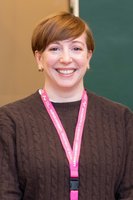
Gaia Trincucci Deputy Editor at the Journal of Experimental Medicine
Denmark is underrepresented in our journal, and we haven’t been sufficiently engaged with researchers here, even though infection and inflammation are my field. I flew in from New York, and I’ve never tried a format like this before - but I like it, especially because of the relaxed, friendly environment and the high-quality keynote speaker Michael Heneka.
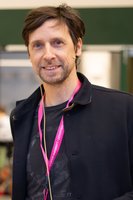
Zoltan Fehervari Senior Editor at Nature
I’m aware that students in particular can be intimidated by meeting someone like me - because Nature is crème de la crème. I help them overcome that fear, though most will probably still get a no from me anyway, haha. I’ve been to Aarhus before and know that excellent research is conducted here. It’s a good institute, and I’ve encouraged a few people to send me articles - without promising anything, of course.
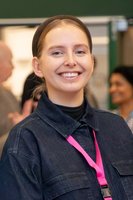
Lucie Laurien Scientific editor at Cell Reports
It’s so important that we meet researchers. We work for the same cause - good science - but there can be barriers, and we break them down on days like these. It’s very inspiring, even more than I expected when I read the abstracts - because I meet the researchers’ enthusiasm. I think more research from AU will find its way to Cell Reports in the future. And the LEGO location is a plus - I usually stay at boring conference hotels.
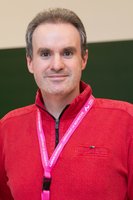
Ioannis Papaioannou Scientific editor at The EMBO Journal
I came to expand my network among researchers in the field, and it has definitely lived up to my expectations. I’ve had some great 1:1 conversations, and I’m glad students are here too - they’re inspiring. We’ve talked about many things, but the question I’m asked most often is: What does it take to get published? That’s obviously the hardest question to answer - but we get closer together.
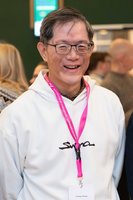
Ching-Yu Huang Chief Editor at Nature Communications
There are many urban myths - for example, that editors only read abstracts, that we get a bonus for every publication, or that we throw all submitted papers into the air and publish the ones that fly the farthest. I’m here to demystify the process and help researchers publish faster and more efficiently. Even if I don’t speak to everyone, the information I share spreads by word of mouth.
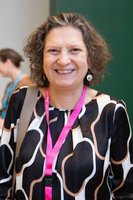
Petra Gross Senior Editor at Nature Cell Biology
I’ve really enjoyed it. These two days are well planned, and it’s unusual how easy everything has been for us. The LEGO location is great. I’m here to learn more about immunology, and the 1:1 conversations have been a very good and informal way to gain insight into what’s happening in the field. I had no idea there was such a large and strong community in Aarhus - and I would very much like to come back for a site visit.
This text is machine translated