Widespread women's disease takes a mental toll – before and after diagnosis
A large Danish study shows that women with endometriosis use more anxiety and depression medication than others – as early as ten years before they receive their diagnosis.
Women who are later diagnosed with endometriosis have a markedly higher use of antidepressant and anxiety medication, and are far more often in contact with psychiatric hospital departments than other women.
And this is not only the case after the diagnosis has been made. The pattern is already apparent ten years before.
That is the finding of a large new Danish registry-based study from Aarhus University, based on data from 136,842 women.
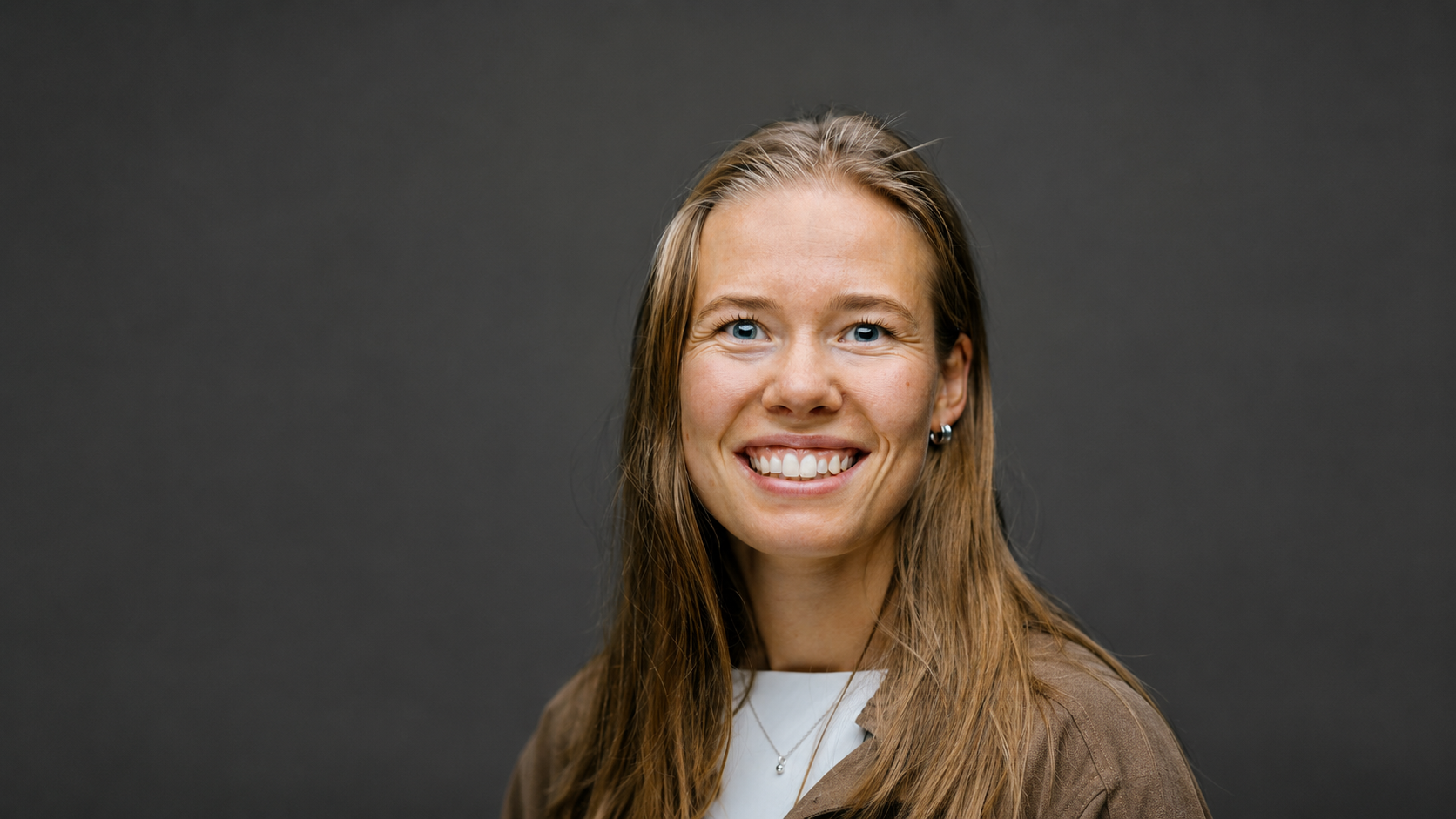
"What surprised us was how clear and persistent the pattern was, and that the difference did not diminish over time. On the contrary. Women with endometriosis consistently redeemed more prescriptions for antidepressant medication than women without the disease throughout the entire period, from ten years before to ten years after diagnosis," says Marie Josiasen, PhD student at the Department of Public Health and one of the researchers behind the study.
The difference appears ten years earlier
Specifically, women with endometriosis redeemed 29 percent more prescriptions for antidepressant medication and 16 percent more for anxiety medication in the years before diagnosis.
After diagnosis, the difference rose to 40 and 46 percent.
The study does not provide an answer as to what causes the mental strain, but Marie Josiasen points to a couple of likely explanations:
"It's possible that prolonged pain, uncertainty about the cause of the symptoms, and frustration over not being able to live the life one wants may be among the reasons. For some women, fertility problems can also be a major psychological burden," she says.
A hard realization
One of the study's most interesting findings, according to Marie Josiasen, is that the strain does not ease after the women receive their diagnosis.
On the contrary, the difference compared with women without endometriosis becomes even more pronounced in the years that follow.
"A diagnosis can be a relief, but it also involves coming to terms with having a chronic illness," says Marie Josiasen.
The study does not indicate whether an earlier diagnosis could reduce the psychological strain.
As part of her PhD project, Marie Josiasen will investigate the role that hormonal contraception plays in the mental health of women with endometriosis.
"We can see that many receive medication and are in contact with psychiatric services. But we still lack an understanding of what actually helps these women. That's what I want to help find out," says Marie Josiasen.
Behind the research
Study type: Registry-based study
Collaborators:
External funding: This study is supported by grants from the project "Finding Endometriosis using Machine Learning," funded by the European Union's Horizon 2020 research and innovation programme, and by Helsefonden.
Potential conflicts of interest: The authors declare no conflicts of interest.
Link to the scientific article: https://doi.org/10.1093/humrep/deag089
Contact
PhD student Marie Josiasen
Department of Public Health, Faculty of Health Sciences
Phone: +45 51 89 96 26
Email: majo@ph.au.dk
Associate Professor Dorte Rytter
Department of Public Health, Faculty of Health Sciences
Phone: +45 60 38 12 98
Email: dr@ph.au.dk