Health honours four young research talents with Student Research Prize
There were smiles, handshakes and a clear sense of pride on Wednesday 25 February, as four students received the Health Student Research Prize 2026 in recognition of their outstanding research projects.
![[Translate to English:] [Translate to English:] Stolte prismodtagere med deres priser og gaver ved uddelingen af Health Studenterforskningspris 2026.](/fileadmin/_processed_/0/0/csm_IMG_2121_a0013c0e4c.jpg)
On a Wednesday afternoon in the Victor Albeck Building, four Health students had gathered with their families, supervisors and friends to present their research to members of the Academic Council and receive the Health Student Research Prize 2026.
The prize is awarded annually to recognise and highlight the high quality and broad scope of student research at the faculty. The Academic Council selects the four recipients, and to be considered, students must have distinguished themselves through an exceptionally strong piece of research.
“It is not the format that matters – it is the content. The work must be original, substantial, and contribute new knowledge,” said Søren Dinesen Østergaard, Chair of the Academic Council at Health, as he opened the ceremony.
“The students we honour today have done more than complete a project or write a paper. They have challenged assumptions, explored new perspectives, and demonstrated the curiosity and dedication that new research requires,” he emphasised.
From global disease to microscopic structures
This year’s four prize recipients have worked on widely different topics – ranging from skin cancer and tuberculosis to bacterial biofilms and the prognosis of root-filled teeth.
Ole Skouvig Pedersen from the Department of Clinical Medicine investigated why men with tuberculosis face a higher risk of treatment failure and death. His analyses show that the difference is largely explained by a higher prevalence of risk factors among men rather than biological differences. The findings may help inform future interventions against the disease.

Emilie Buhl Plechinger from the Department of Biomedicine studied how the bacterium Staphylococcus aureus forms protective structures that can make infections harder to treat. Her research provides new insights into the mechanisms underlying antibiotic resistance.
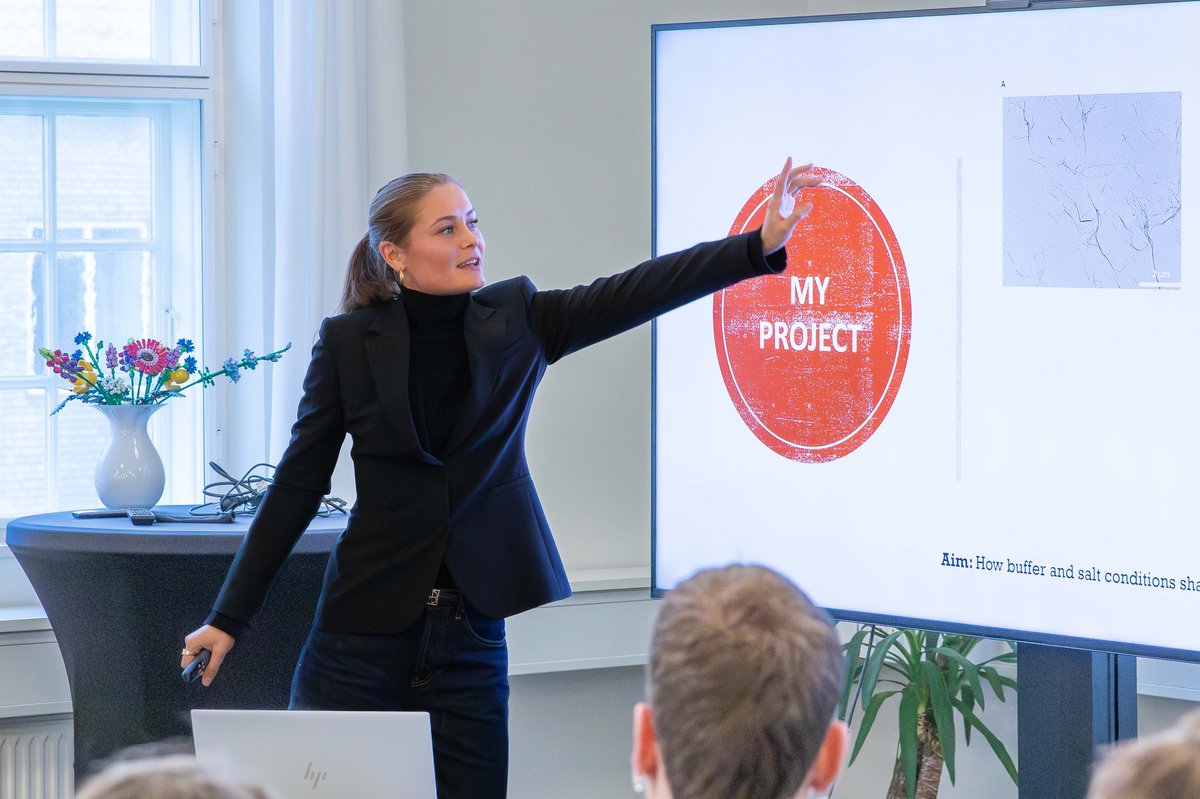
Ida Kristensen from the Department of Clinical Medicine examined the link between occupational sun exposure and the risk of skin cancer. In a nationwide study of nearly three million Danish workers, she identified a clear association between ultraviolet radiation from the sun and increased cancer risk. The findings contribute important knowledge to the prevention of one of the most common cancers worldwide.

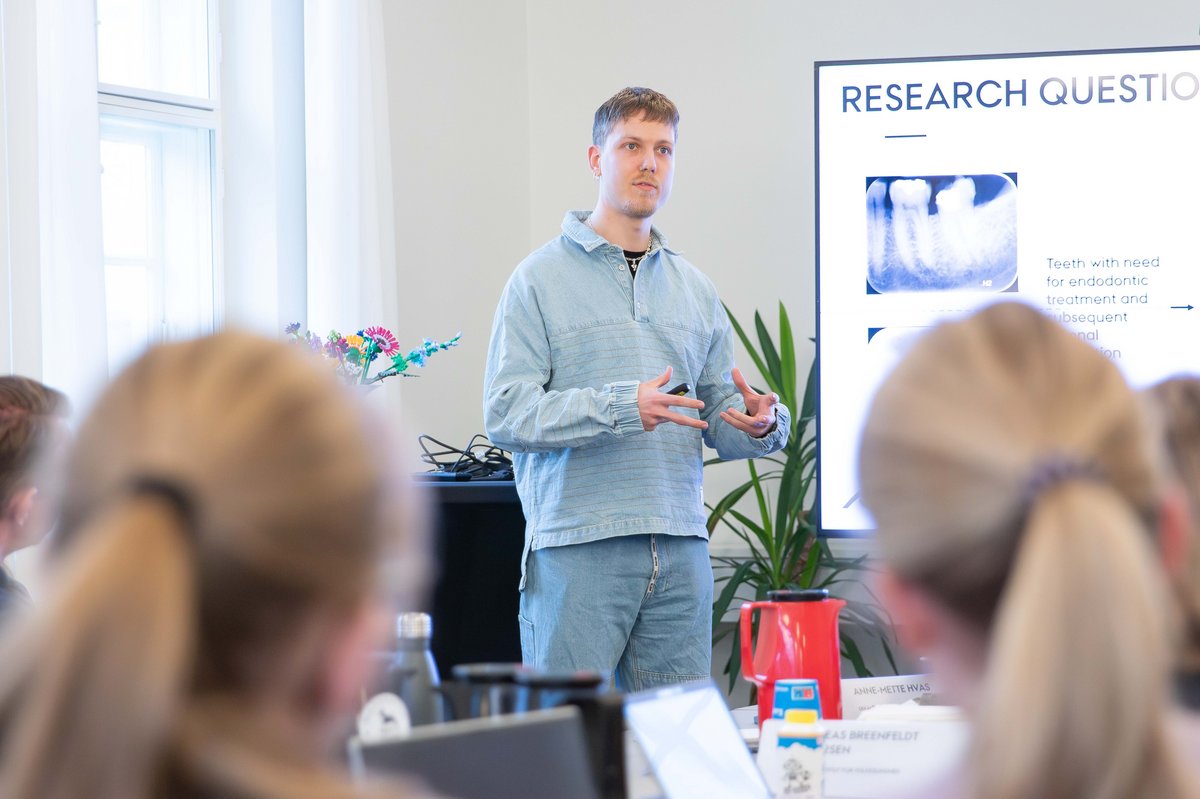
William Astrup Kaaber from the Department of Dentistry and Oral Health investigated how different types of dental restorations affect the survival of root-filled teeth. His results show that certain restoration types can improve long-term prognosis and provide valuable evidence for clinical practice.
Nominate your student for the Health Student Research Prize
The Health Student Research Prize recognises students at Health who have distinguished themselves through an outstanding written research contribution, such as a Master’s thesis, Bachelor’s thesis, or scientific article.
- Who can nominate?
Academic staff members at Health can nominate their students. - Who can be nominated?
Students and research-year students at Health whose work was completed during their studies. Nominations must be submitted no later than one year after graduation. - Assessment
The prize is awarded based on originality, scientific quality, and the ability to communicate research clearly. - Deadline and award
The prize is awarded once a year. The nomination deadline for the 2027 prize is November 2026.
Follow the faculty website for more information on how to nominate your student.
(copy 376)
Contact
Advisor Tanja Hansen
Aarhus University, Faculty Secretariat, Health
Phone: +45 93 50 81 08
Email: tanja.hansen@au.dk